PHOTO GALLERY~!
Click here: International of the Month ~ Story
Click here: COLLECTIBLES GALLERY
Internationals through the years. Starting with the oldest, we have a collection for you to view. Please submit YOUR pictures to be added here! Include your name and the year, model of your vehicle.
B.C. Pioneer Truck Society's 1910 Auto Wagon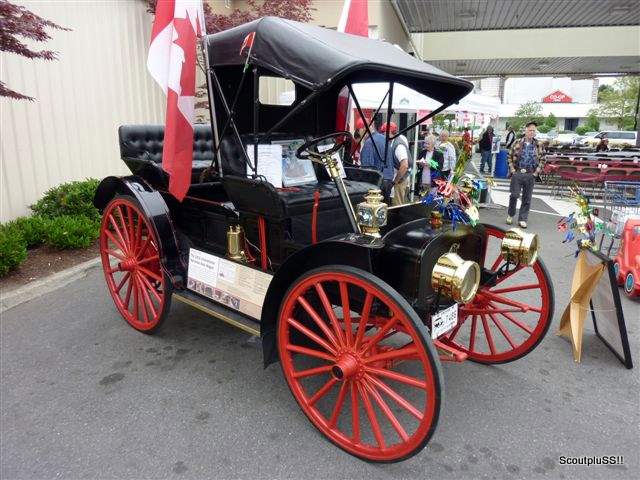 1927 S-24 Speed Truck
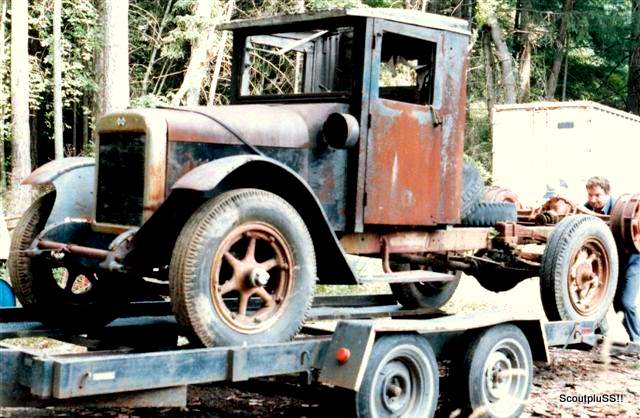 1928 International
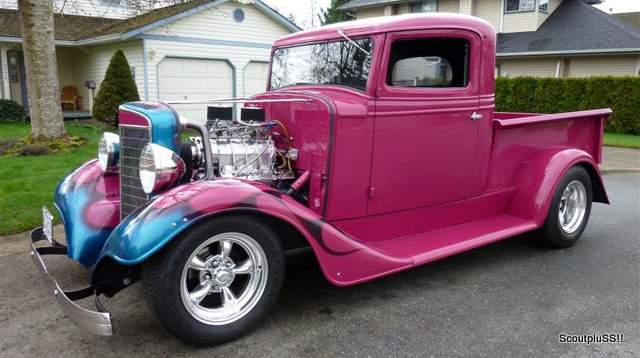
 1934 Street Rodded C-1
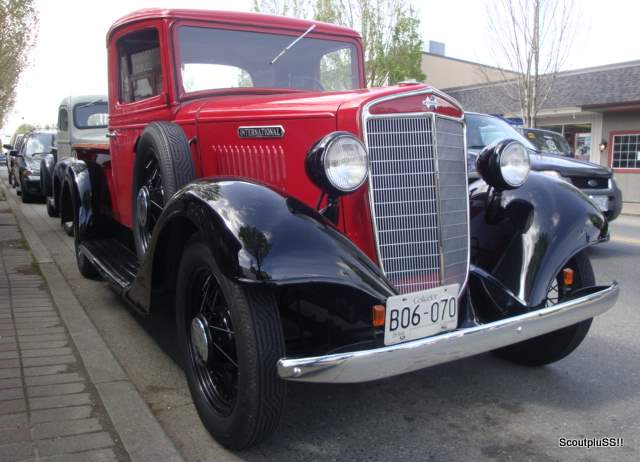
 Jim Hammer's 1936 C-1
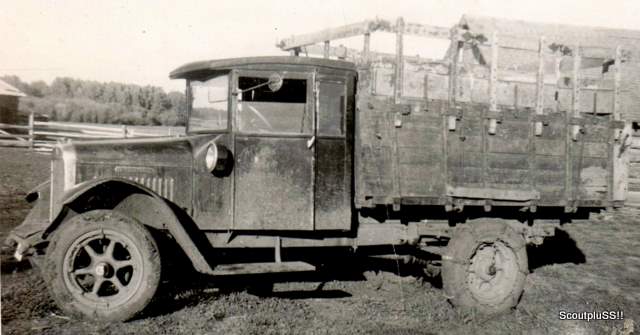
 Rod MacDonnell's 1937 D-40 Grain Truck (box removed)
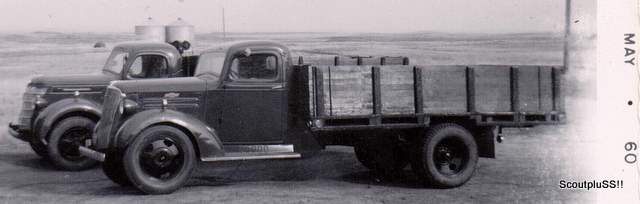
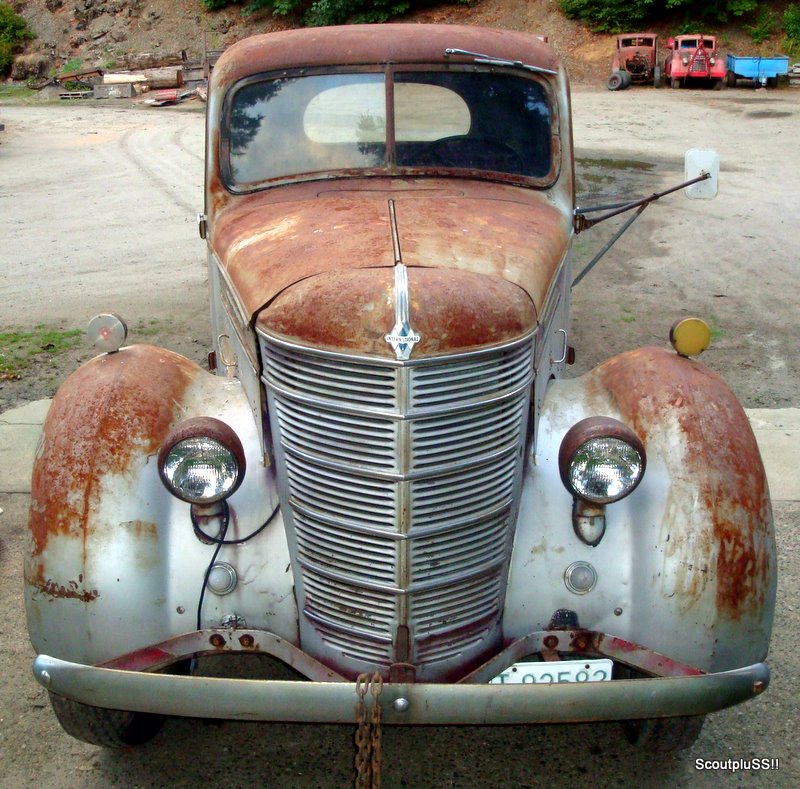 Rod MacDonnell's 1938 D-30 Grain Truck
 Picture of Rod's 1938 D-30 taken in 1960 behind a 1937 Chev.
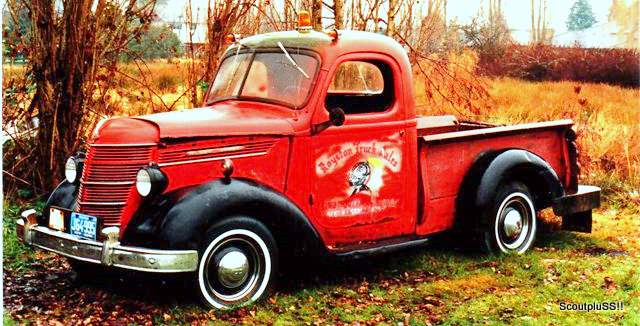
 1938 D-1 pickup (picture taken in 1970's)
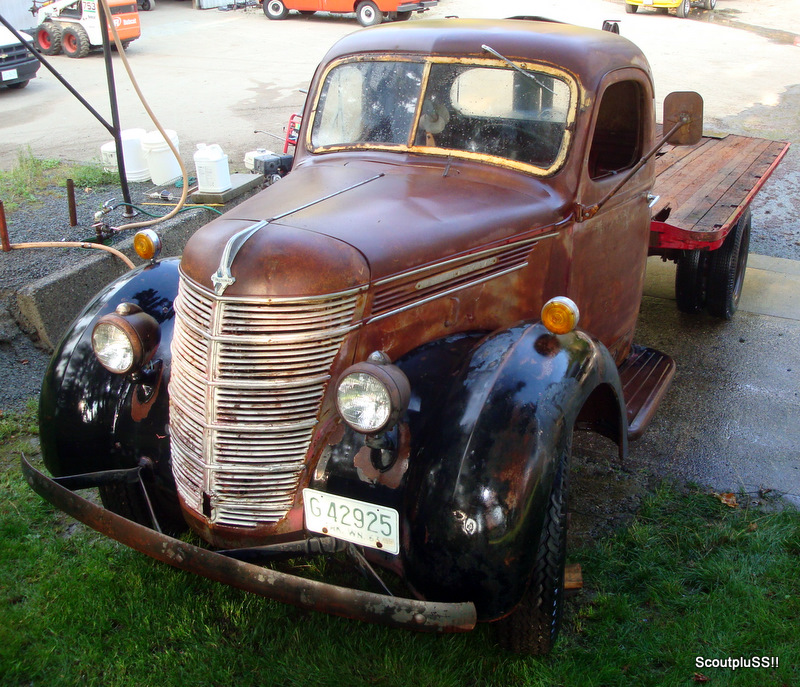
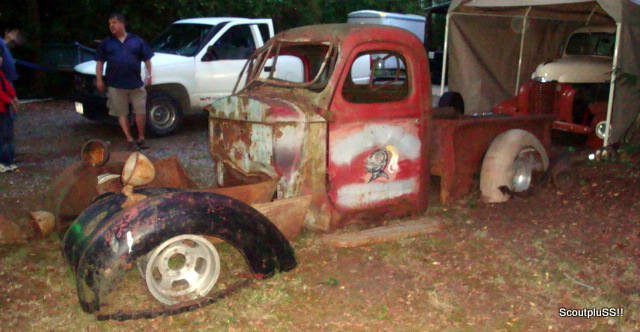
 1938 D-1 as found in 2010 (same truck as above)
 Rod MacDonnell's 1940 D-15 School Bus
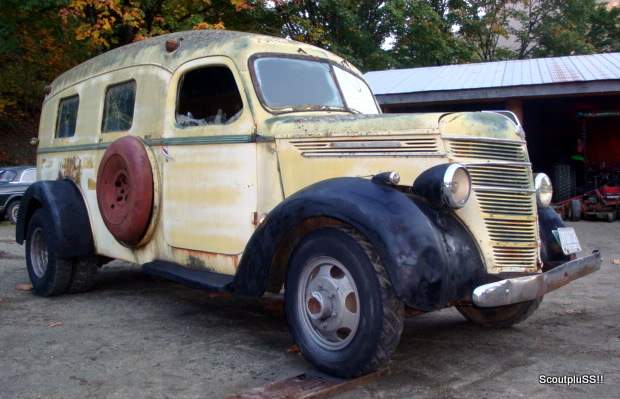 1941 K Series
 Erik Gretland's 1943 IHC K-2 Customized Panel
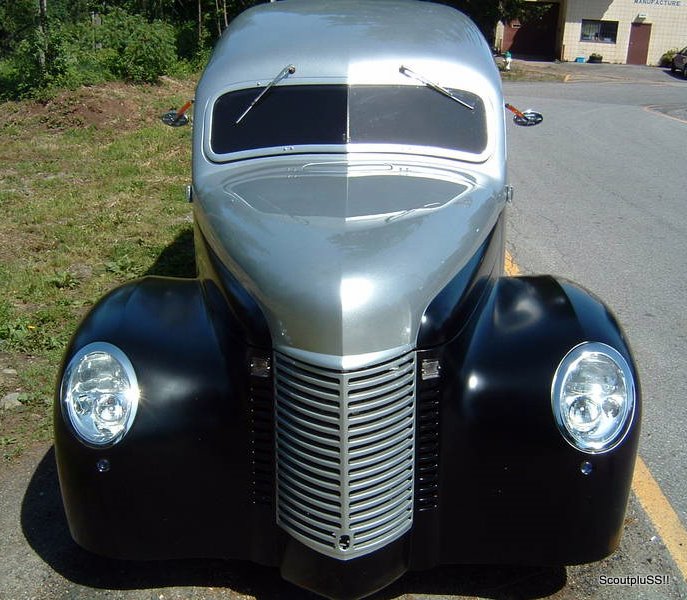 Blake Thresher's 1946 KB-1 with BIG Block Chevy Power!
 Dave Nicolson's 1947 KB-1 purchased in 1975, Shown here in 1976 Grad day~!
 Dave Nicolson's 1947, 25 years later with his son~!
 Preview to the Re-Birth of Dave's KB-1...full write-up to follow soon as "International of the Month"~!
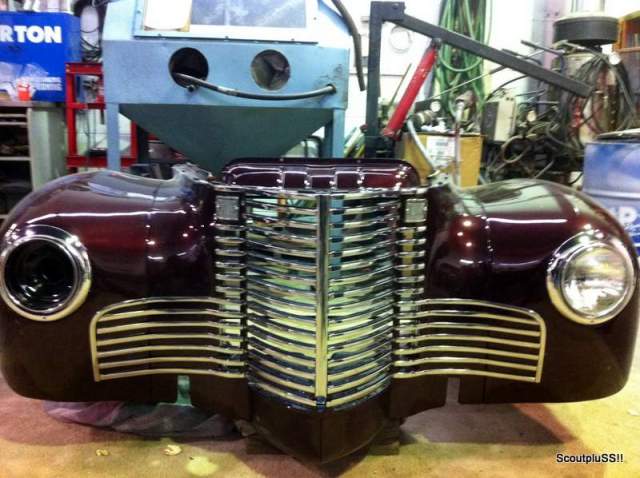 Brian Robert's 1947 KB-2
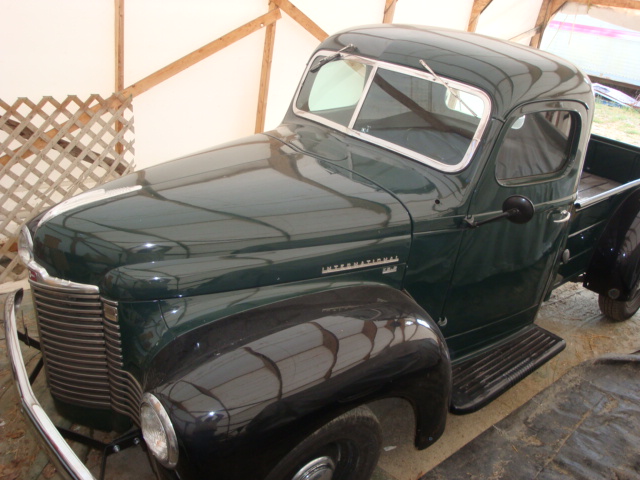 Jack Michalchuk's 1949
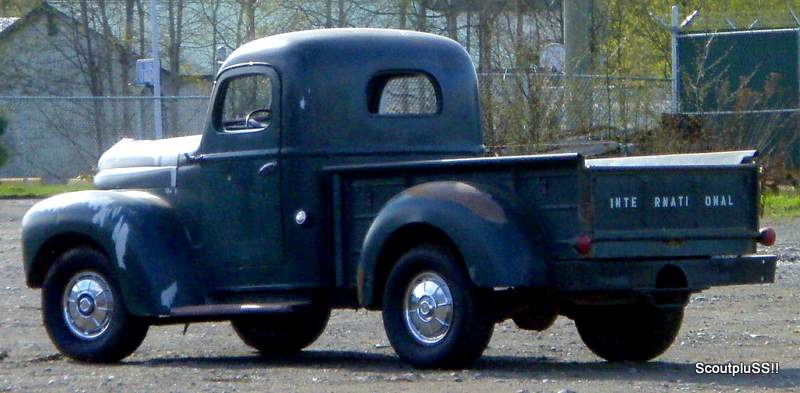 Sam Berto's 1950 L-Series...OWNED SINCE NEW~!
 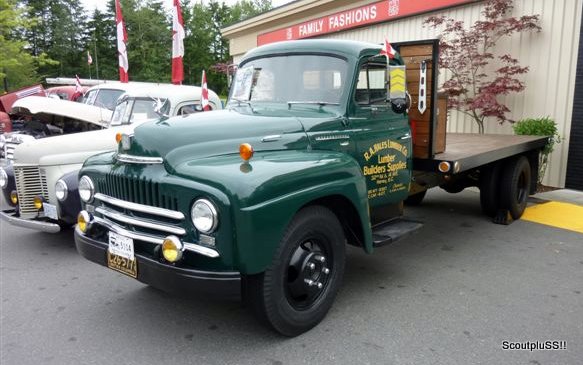 Barry Ankney's 1953 R122 with Marion Dump Hoist "Ol Beast" (Triple Diamond Winner)
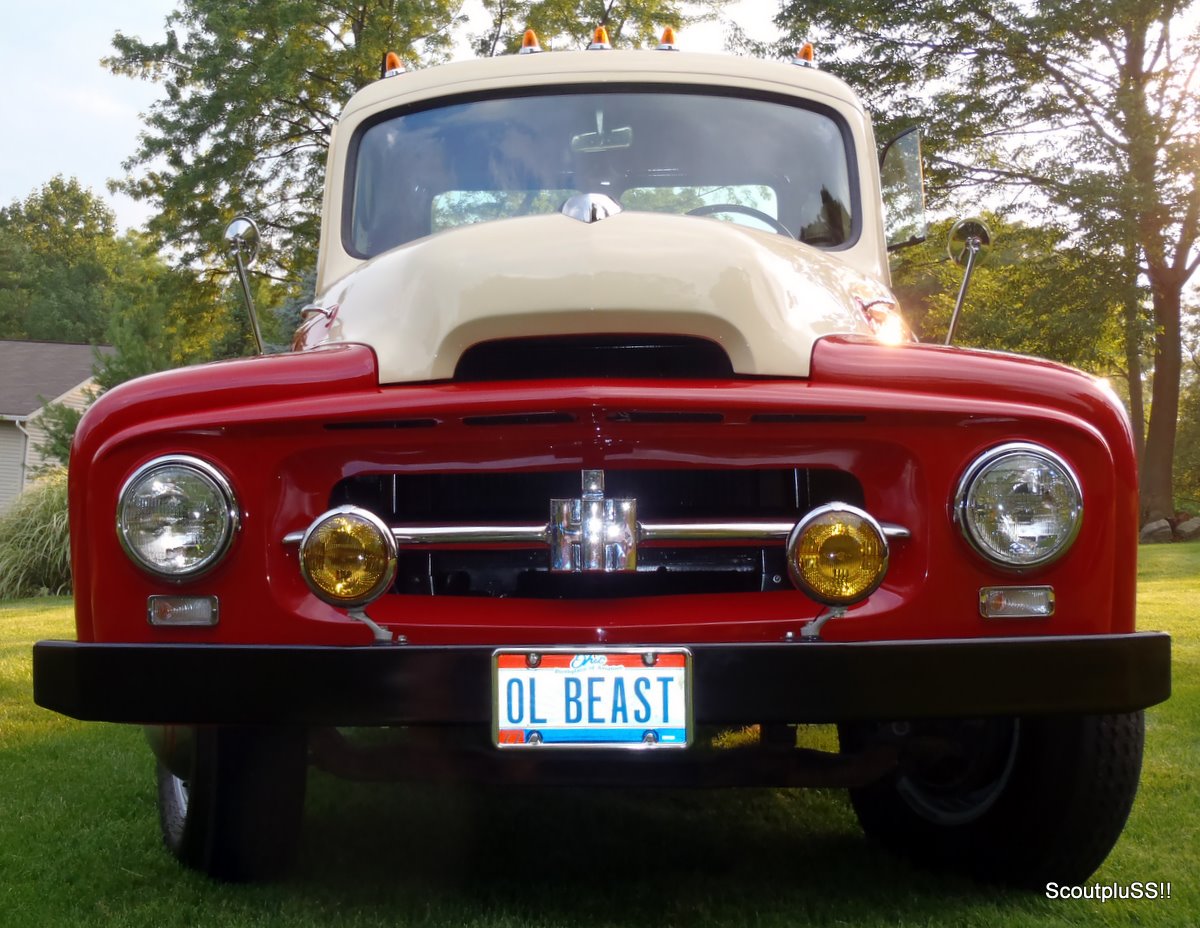
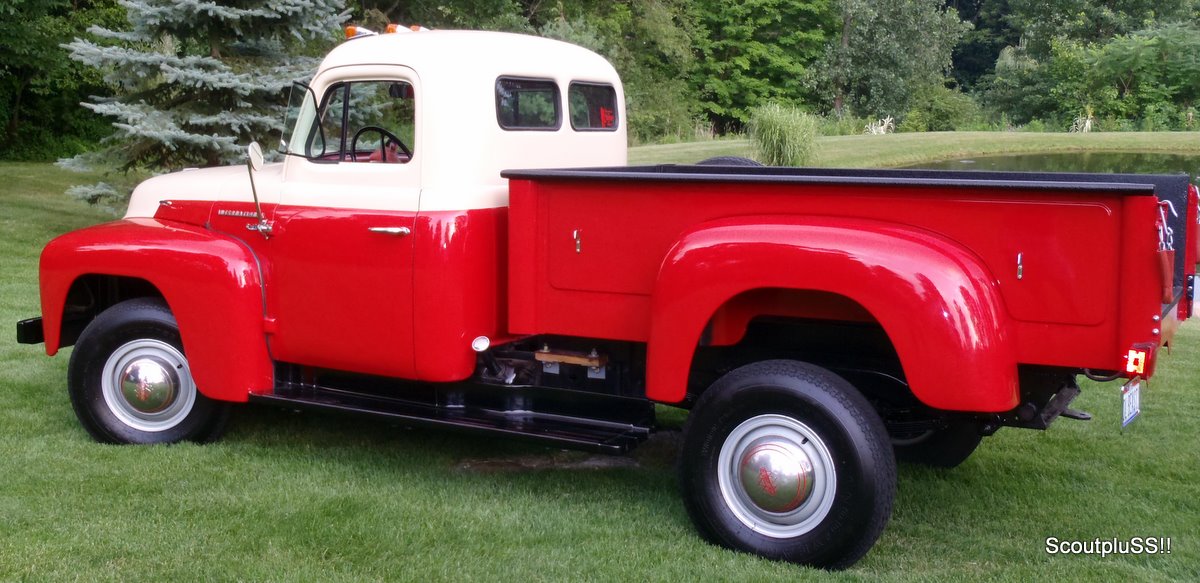 1954 International R-110
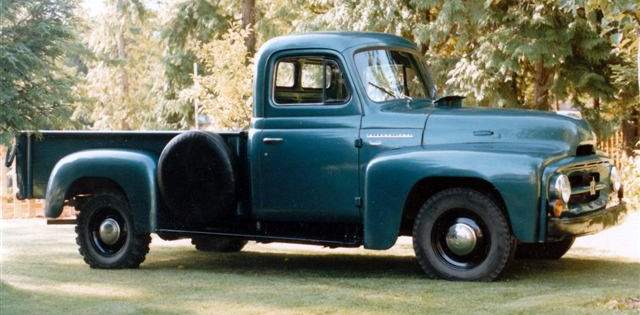 Robin Rodrigeuz's 1956 IH Pickup
 Jack Michalchuk's 1960
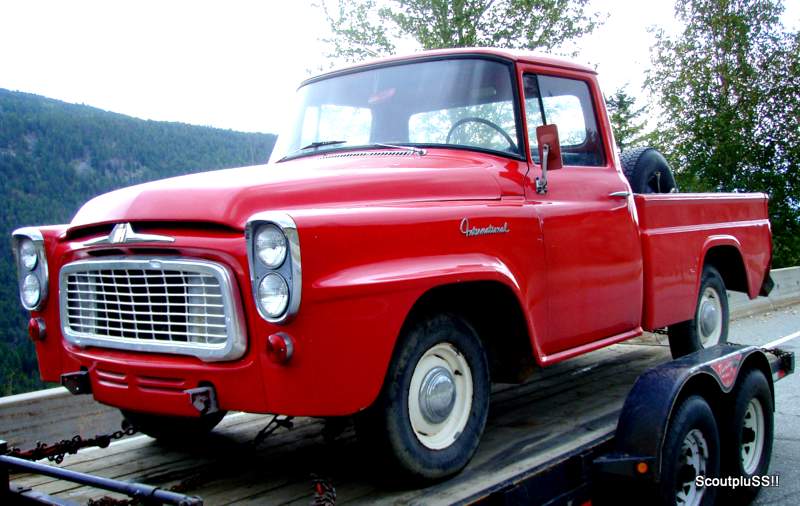 Jack Michalchuk's 1962 ONE TON
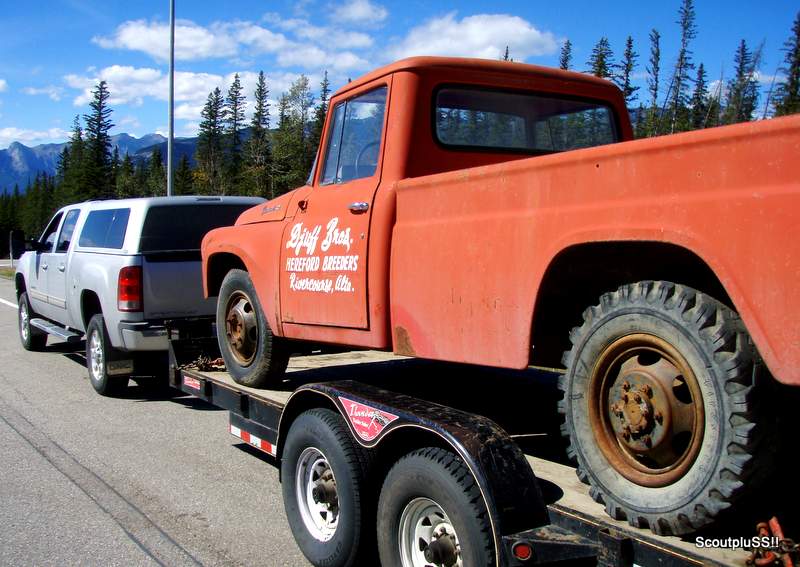 Jack Michalchuk's FALL COLOURS~!
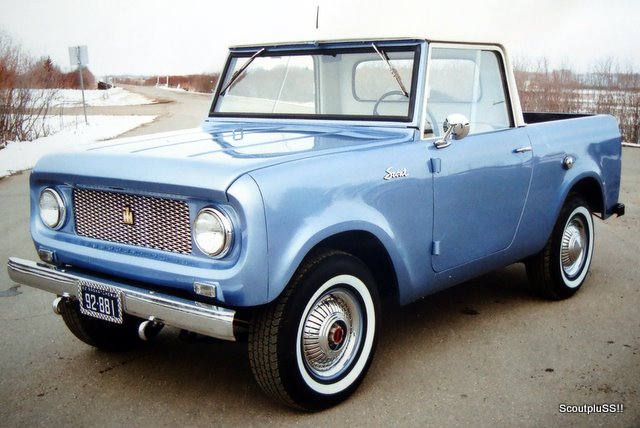
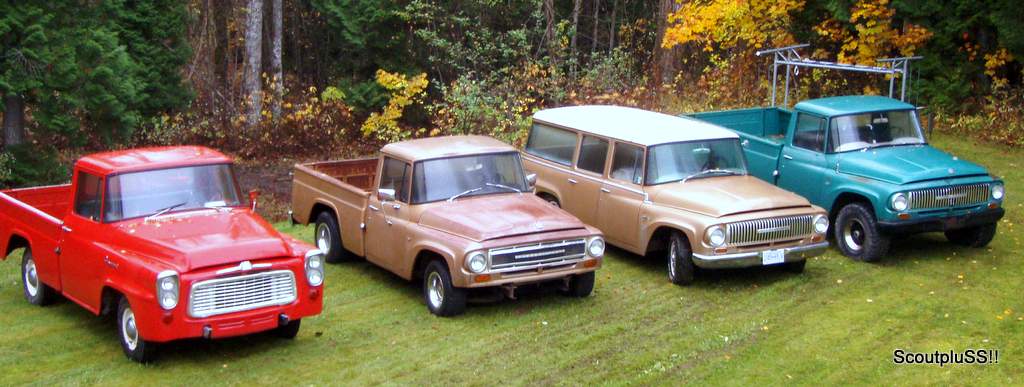 Greg & Jamey Pascut's 1962 Scout 80
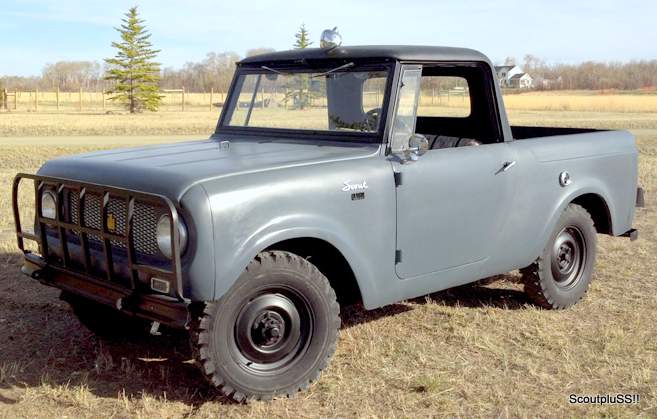 Ron Gerlinski's 1962 Scout 80, Ground-up Restored!
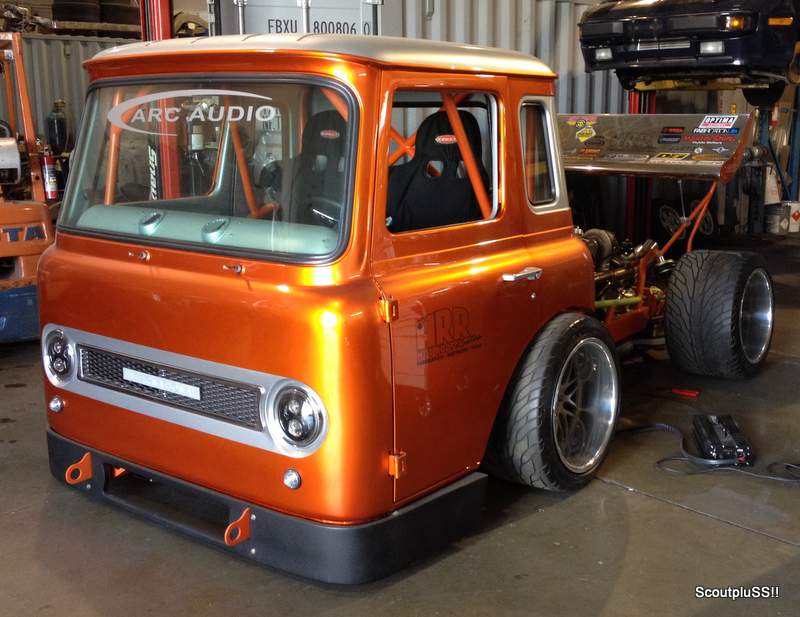
 Hot Rod's Restro's 1964 Cargostar 1700
 Brad's 1965 Scout 80, 4.3 Vortec, 4L60e, D300
 Jack Michalchuk's 1966 Travelall
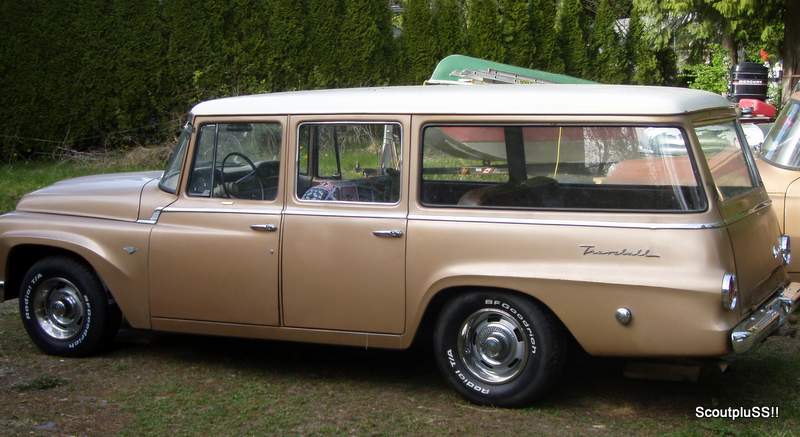 Jack Michalchuk's 1966 LWB
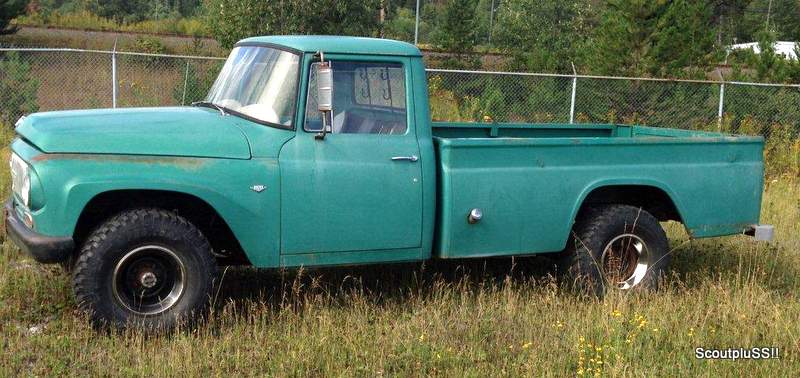 Jack Michalchuk's 1966 SWB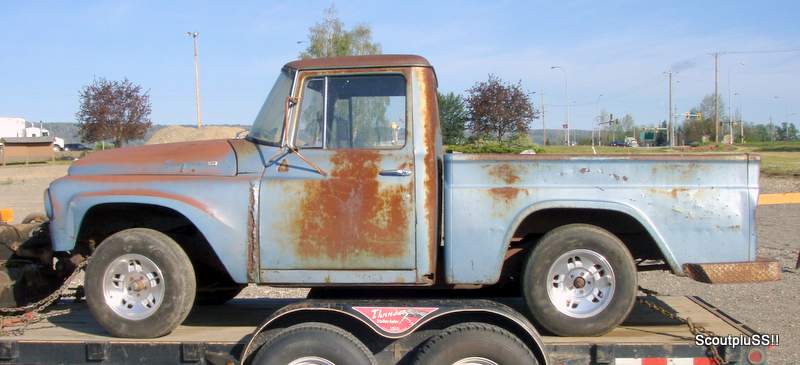
Kyle Russell's 1966 Scout 800


Steve Ricci's 1967 1100B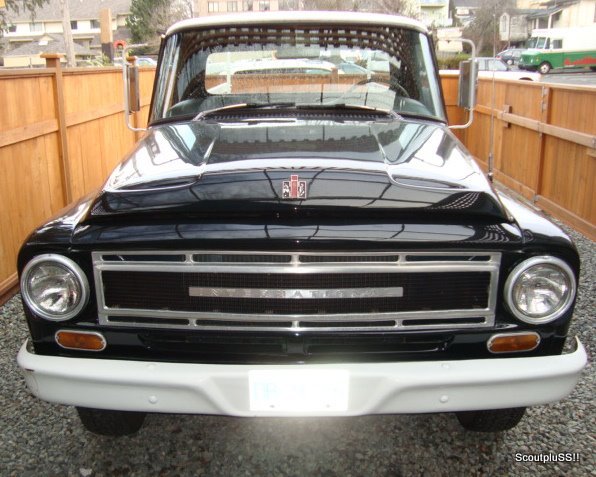 Eric Andersson's 1967 Campermobile
 Doug Cope's 1967 Travelette 1200B All Wheel Drive
 Joseph Ezell`s 1967 4X4 Pickup
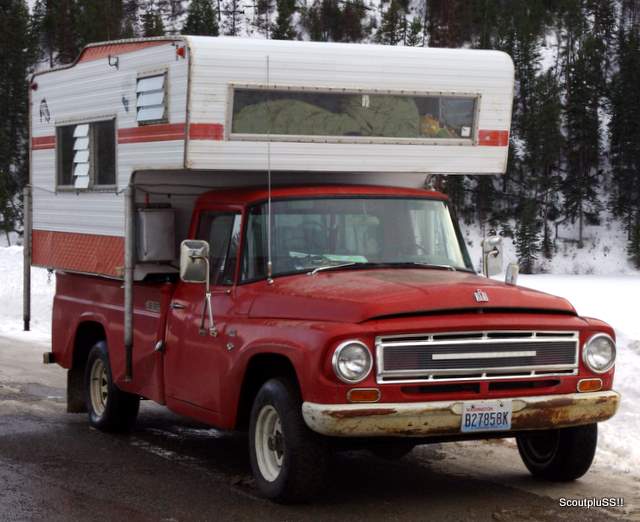 Jack Michalchuk's 1967
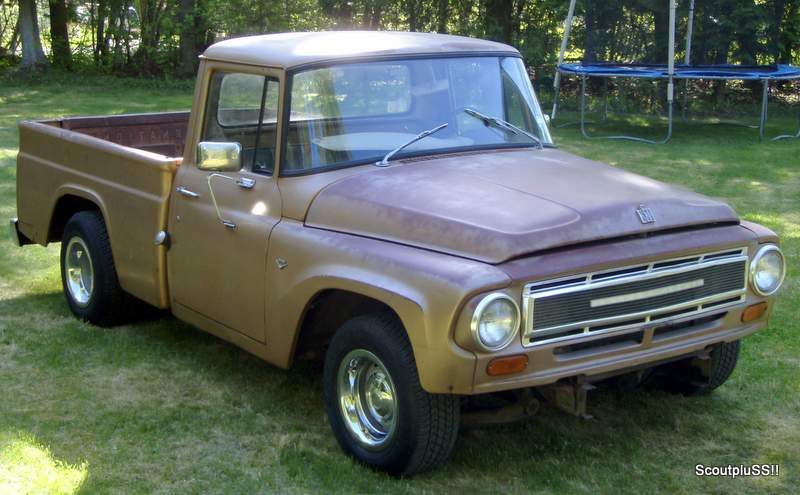 The Shelton's 1968 International 1200C Travelette Campermobile
  Dave Weir's 1968 Travelette
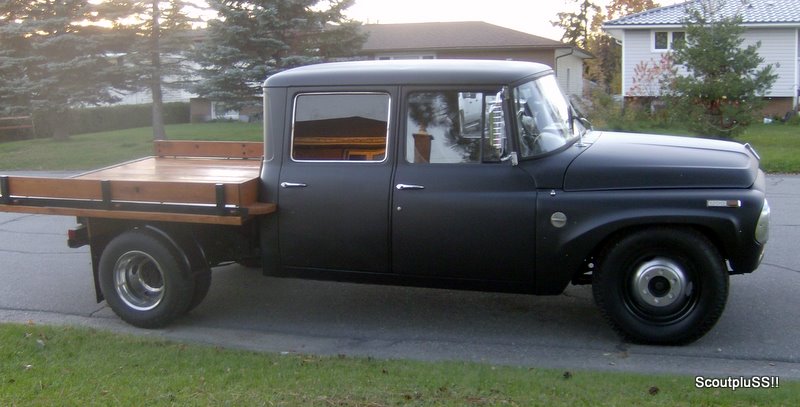 Kevin Taves 1968 1100C
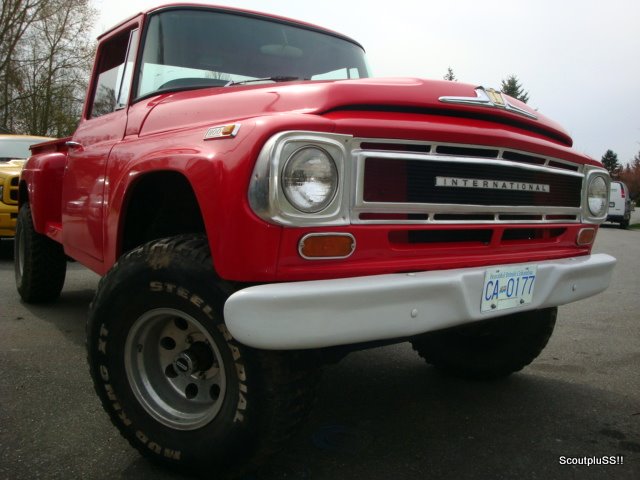 Steve Ricci's 1970 800A Scout
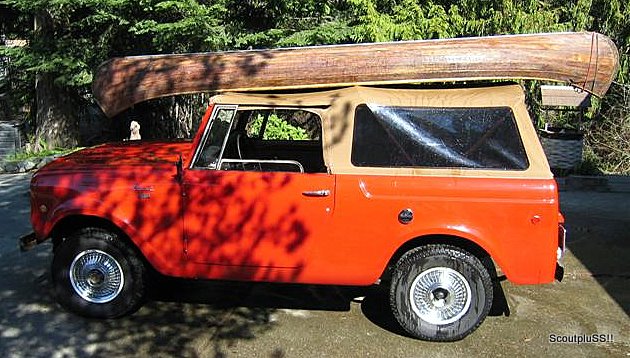 Matt Corzine's 1970 Scout 800A
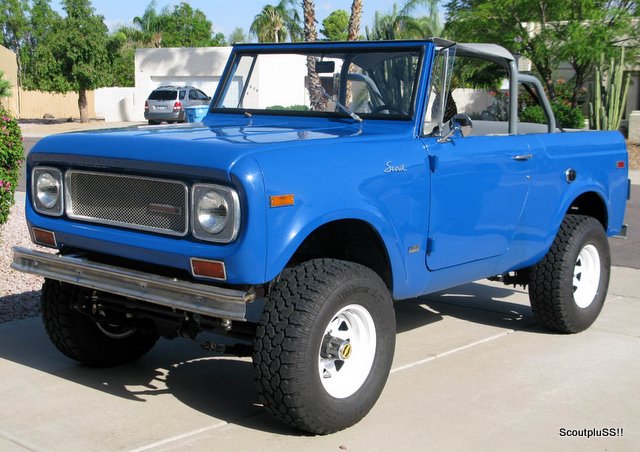 Rod MacDonnell's 1971 1210 65000 original miles. For Sale ~ Inquire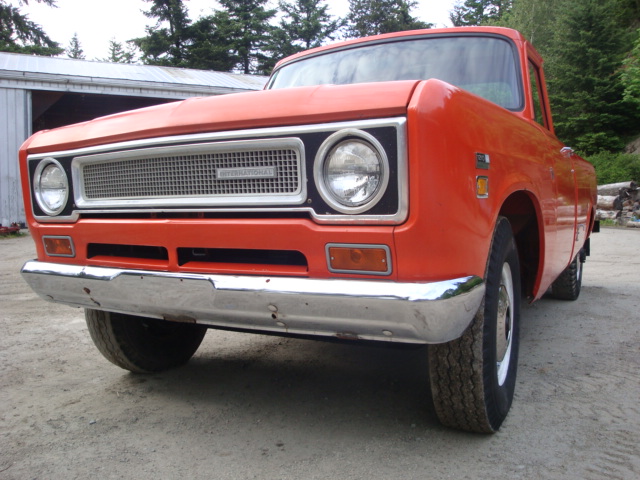
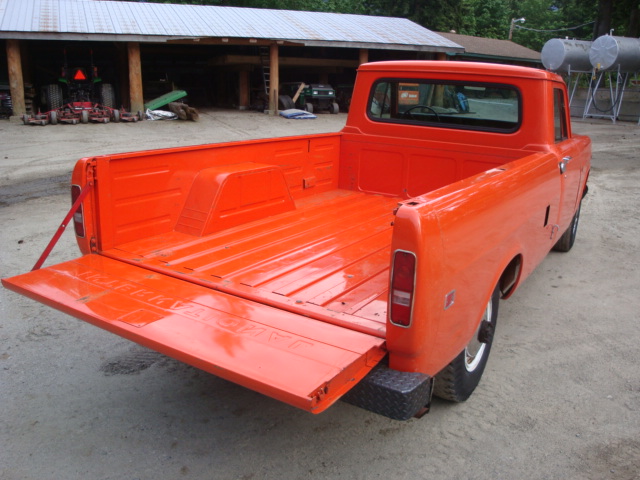 Dave Pap's 1971 1210 pickup
 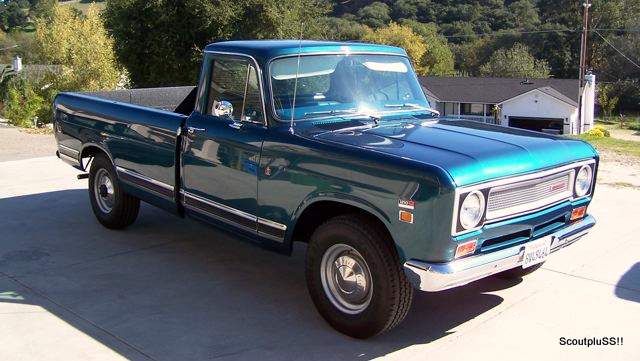 Jay Fisher's 1972 1010 Travelall from Spruce Grove, Alberta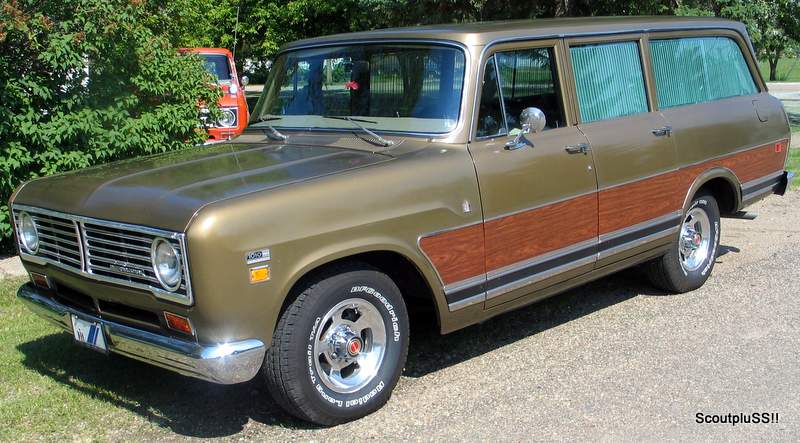
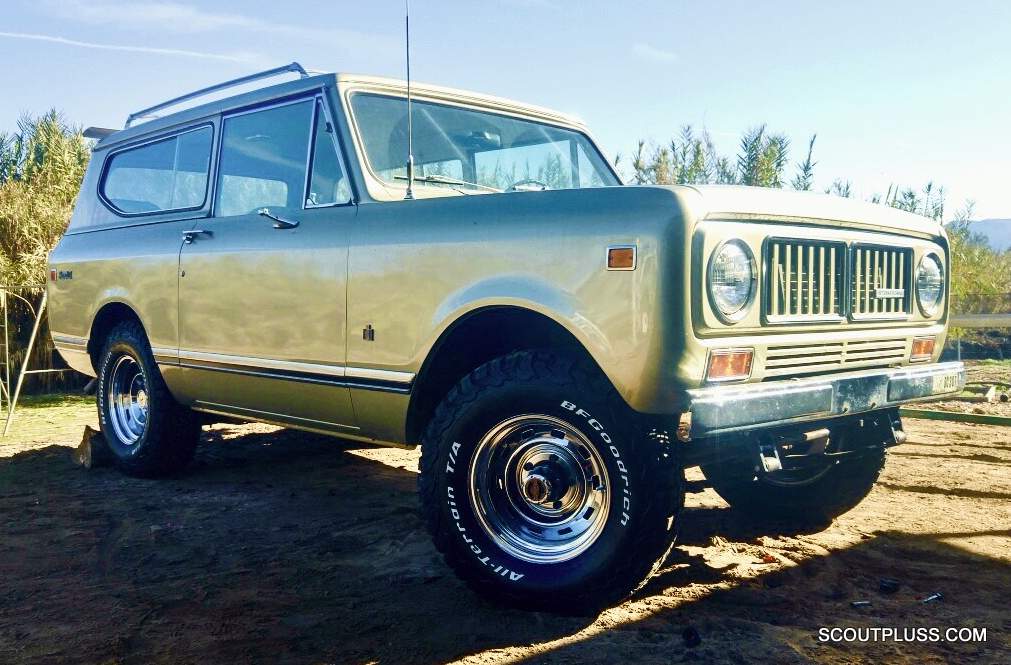
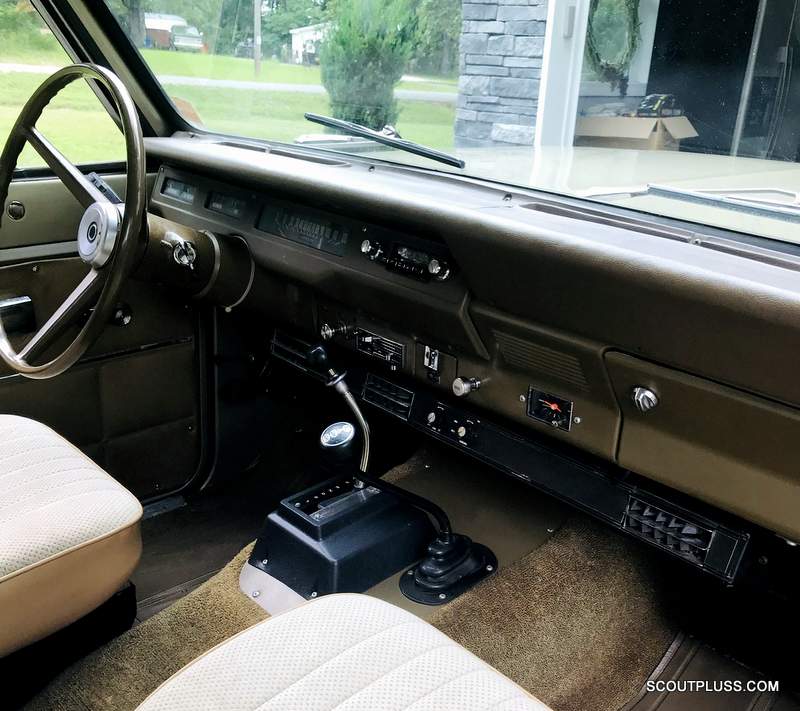
1973 Scout II, 345 V8, Mayan Mist, Factory A/C, Cruise Control,
Automatic Transmission, Anthony Caldwell, San Diego, CA
Kenneth Hilger's 1972 Scout II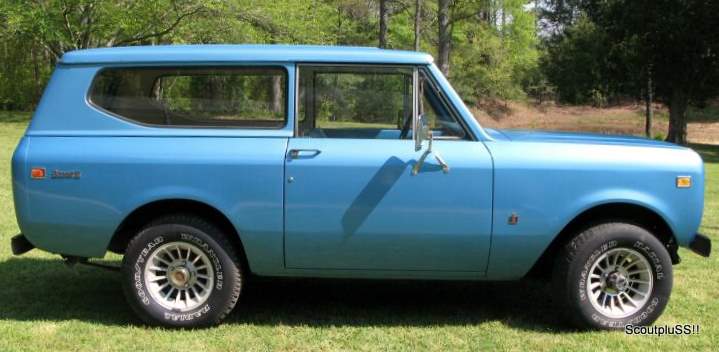
Ron Baker, 1973 1110, Stepside, Short Box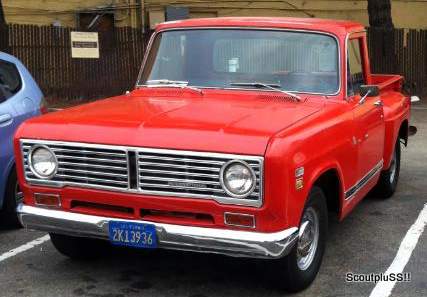 Mark Schram's 1973 Scout II
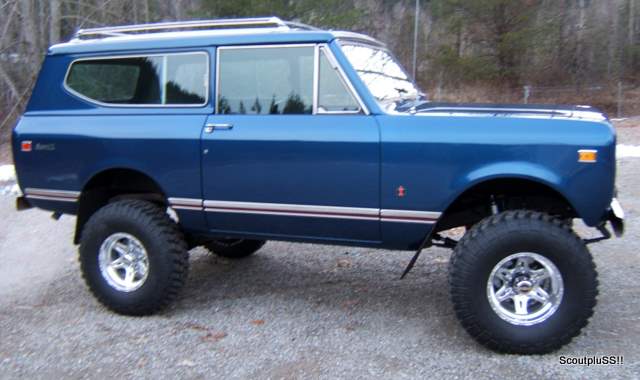 Gary's (2nd Owner) 1973 Scout II with 304. The plan is Resto & Custom Work Soon!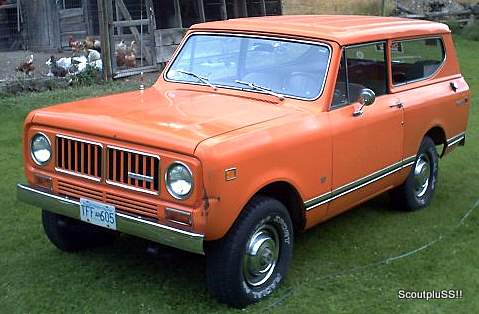
This Beautiful 1973 Scout II Belongs to Heinz & Melanie Simeth from Germany
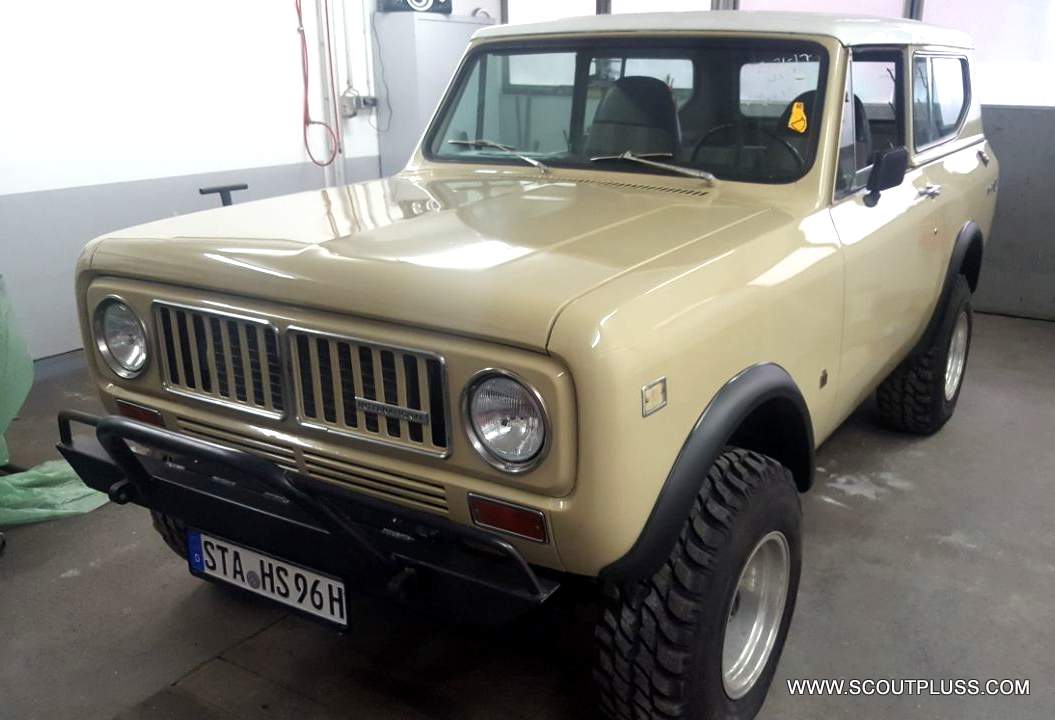
Jay Fisher's 1973 1010 Travelall from Spruce Grove, Alberta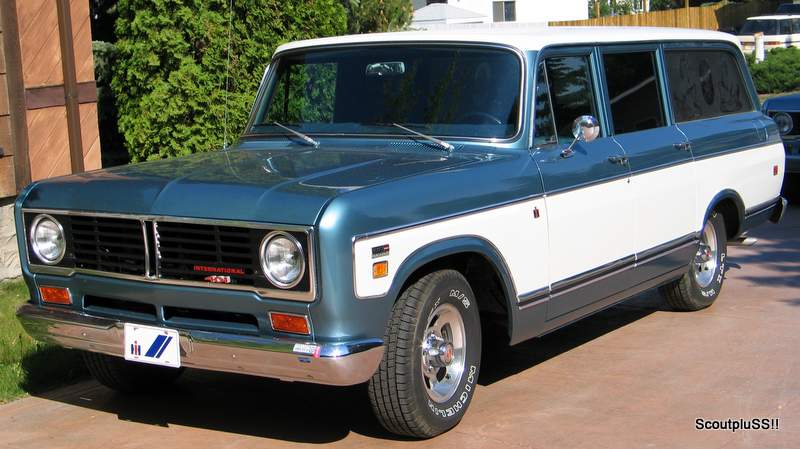 Eric Andersson's 1974 200 Series
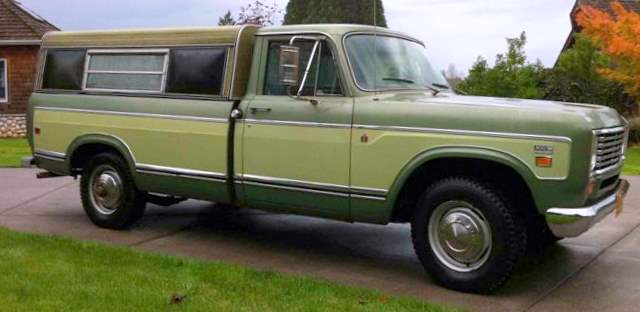 Brian Robert's 1974 Travelall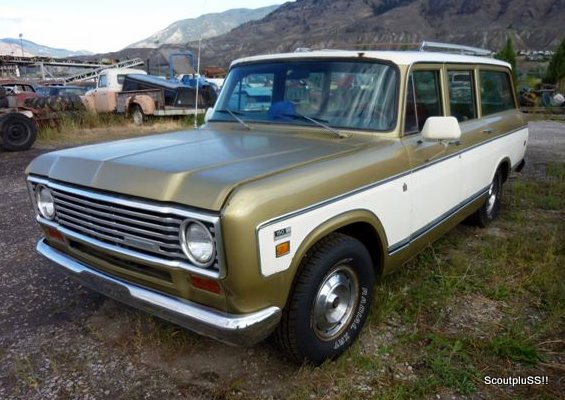
Jay Fisher's 1975 BEFORE Shot, from Spruce Grove, Alberta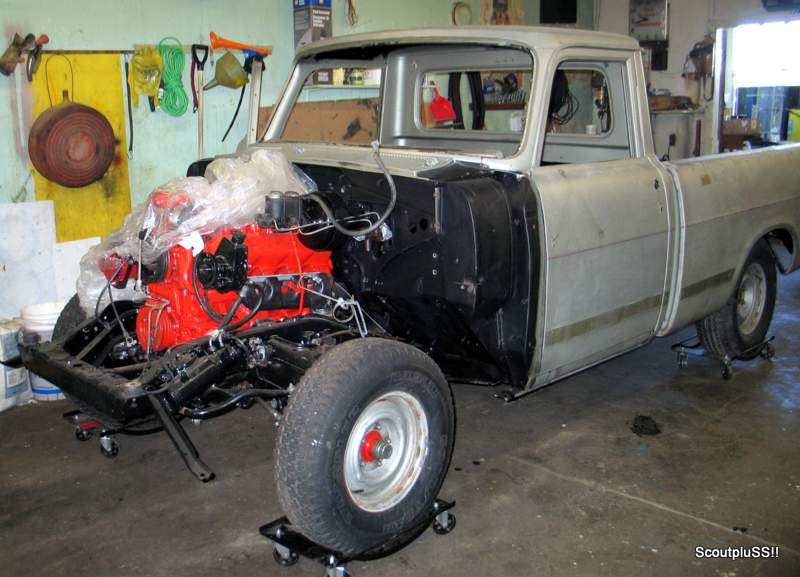 Jay Fisher, 1975 150 SWB 392 Tilt Cruise Buckets SHOW WINNER~!
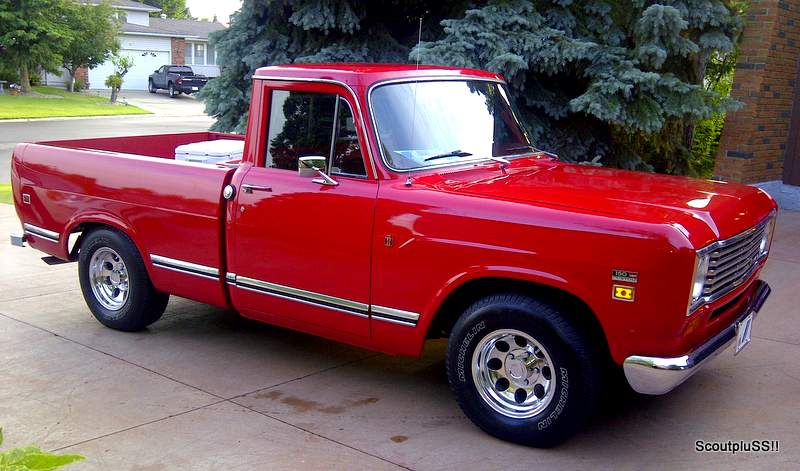 Alfonso Fernandez Arregoces's 1976 Scout II
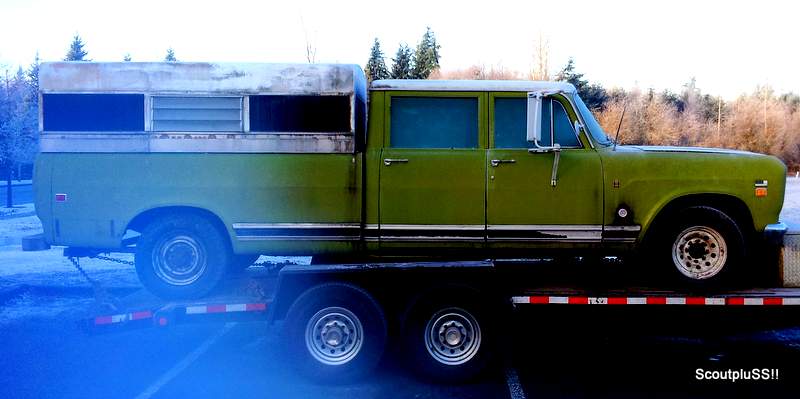
Ziggy's 1976 Scout II, The "Before" Picture!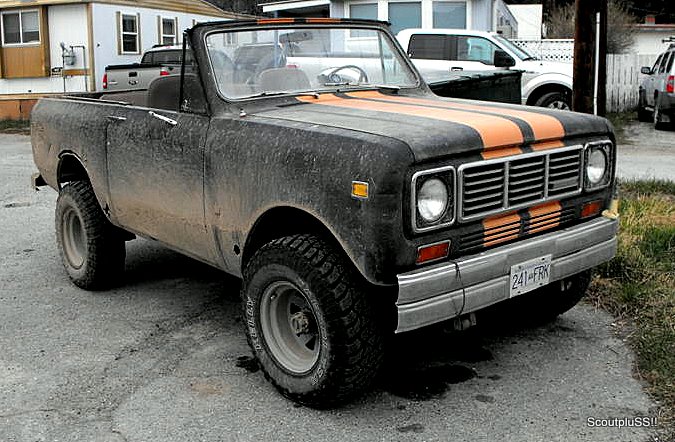 Freddie Green's Show Winning 1976 Traveler, 345 auto
 Rod MacDonnell's 1976 Scout P/U (1955 Chev box narrowed)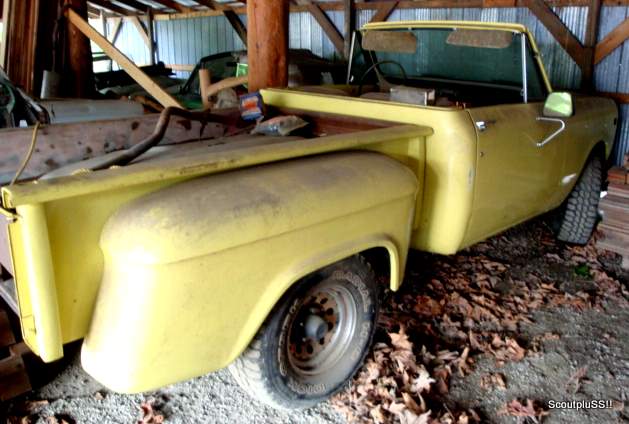
Kyle Russel's 1976 Scout II, was in the Stephen King Movie "Dreamcatcher"
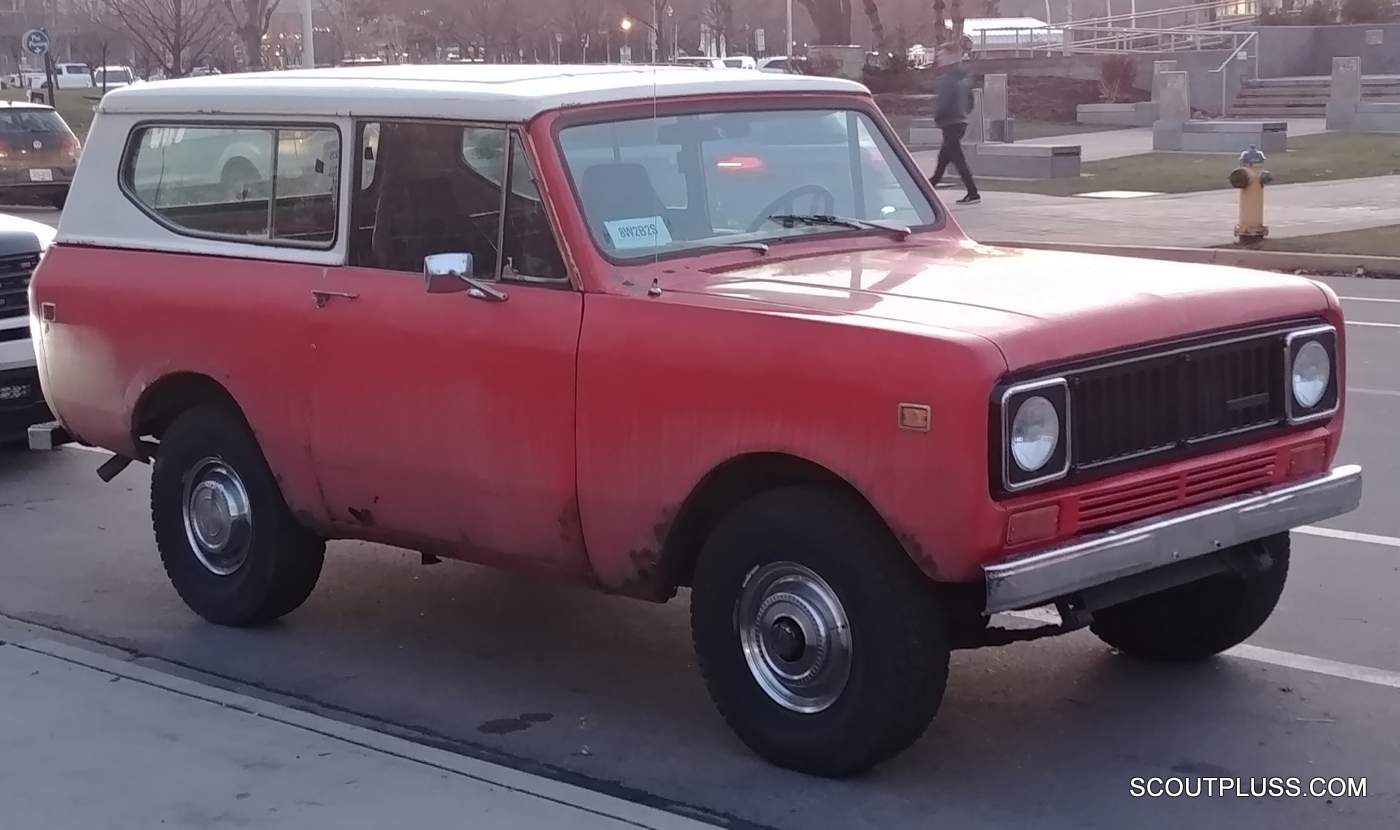
Sean Lindsay's 1977 SSII, 345 V8 & Auto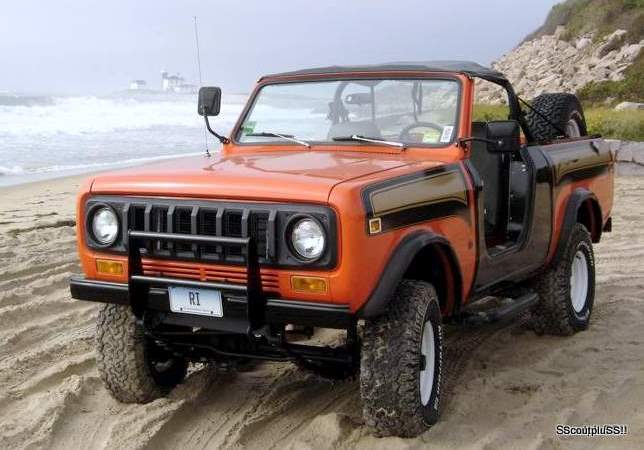 Steve Ricci's 1977 Scout Traveler, 345 V8, Auto
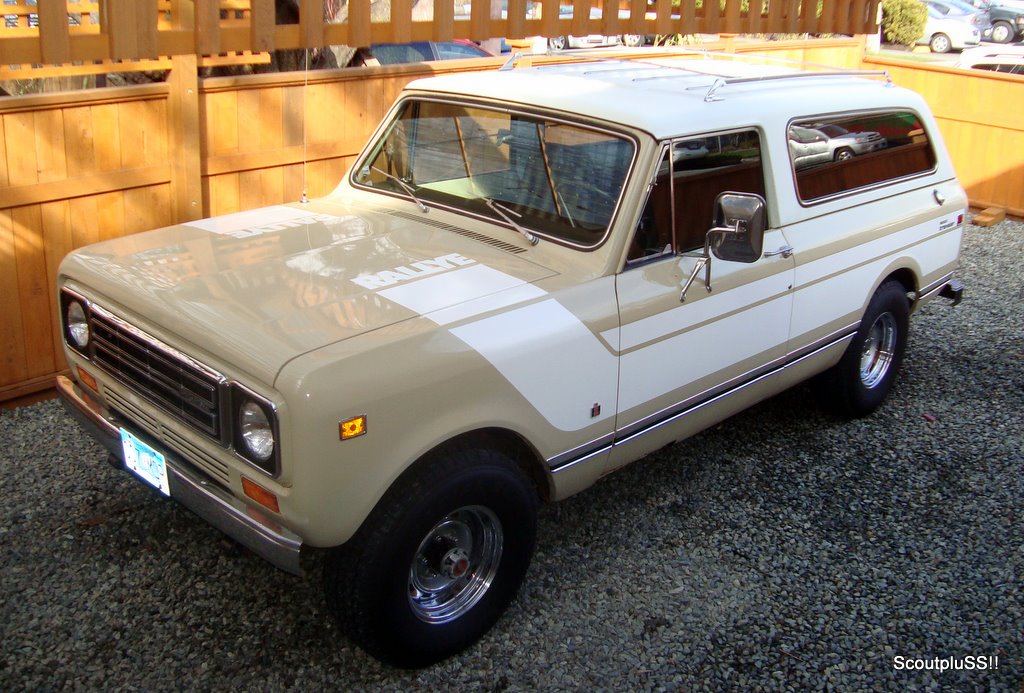 Brian Robert's 1978 Scout II

Erik Hoy's 1978 Terra Rallye in Glacier Blue, 345 V8, 727 Trans, T-20 T/C, Original Lock-o-matic Hubs and Custom Twin 3" Side Exhaust~! Norway has NICE Scouts Too~!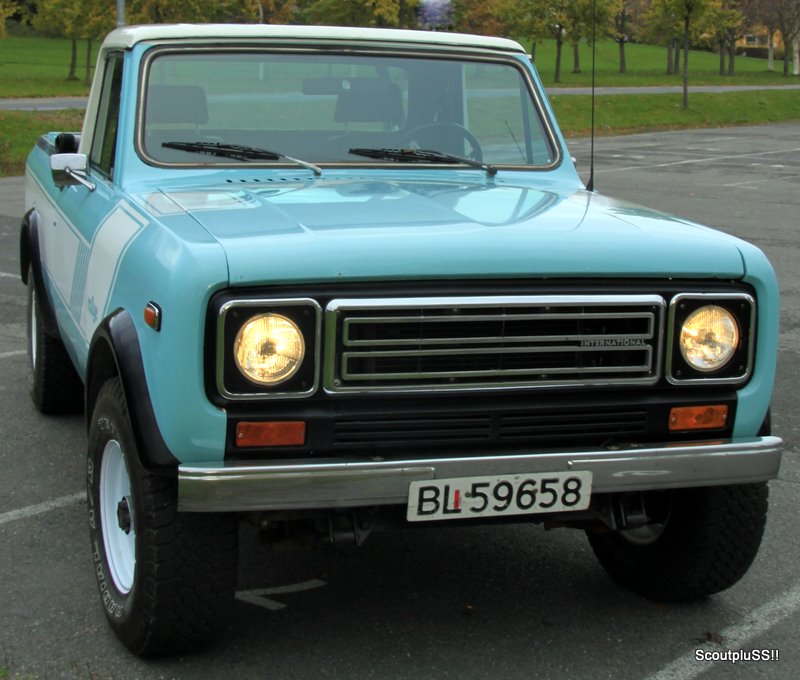
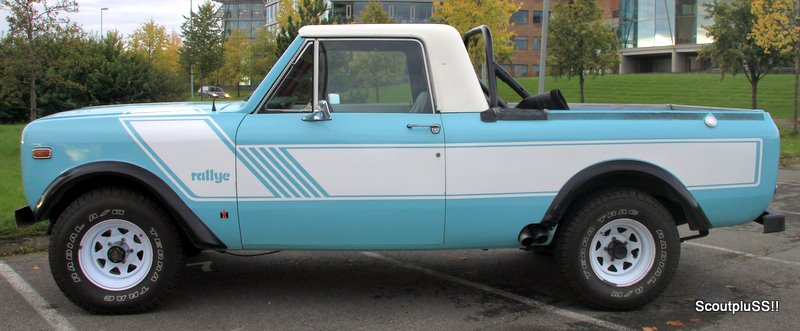
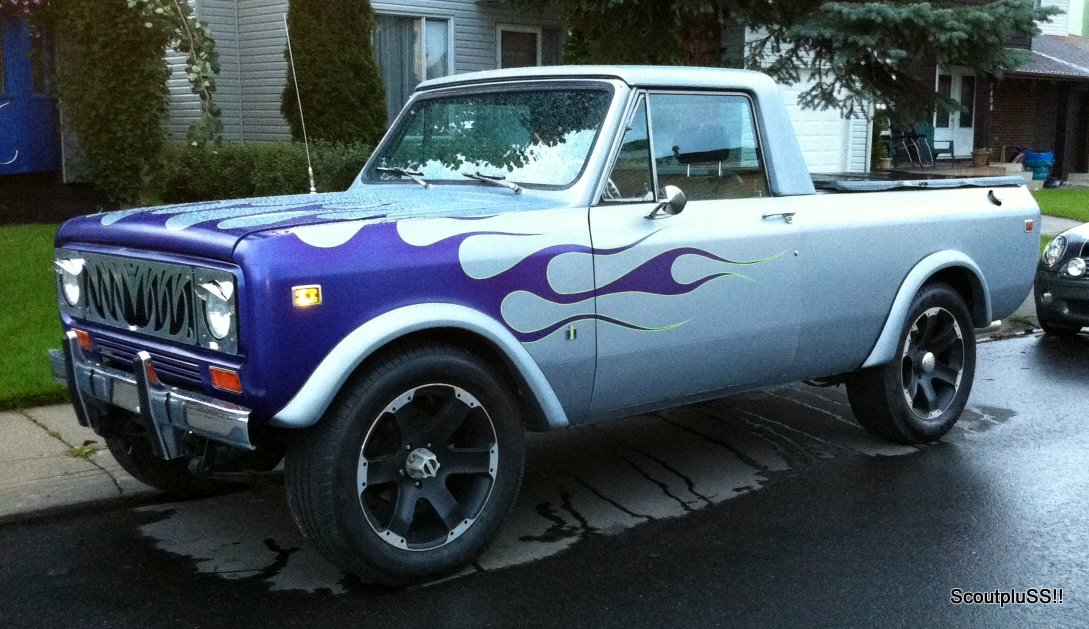
Greg Evanoff's 1978 Scout Terra, 304 V8, Auto, 4X4, "Before"
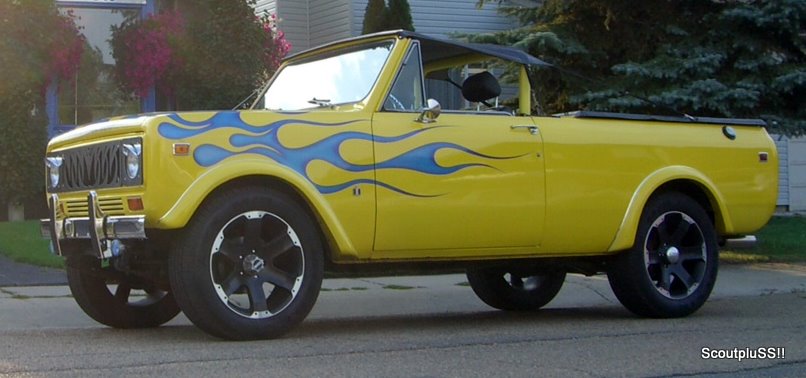
Greg Evanoff's 1978 Scout Terra "After Picture"
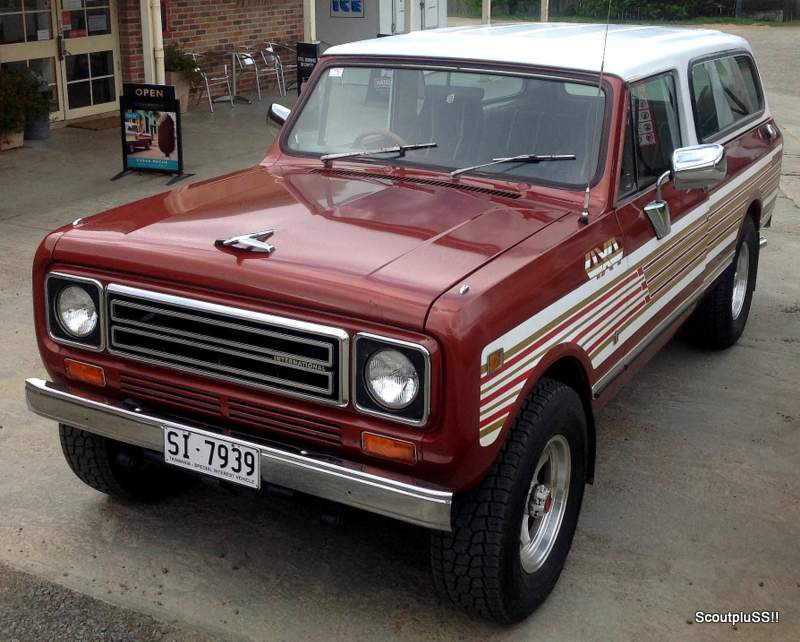
Rodney Brown's 1978 Scout Traveler, 345 V8, Auto, from Tasmania, Australia. In the Family for over 25 years, a Remberance to his Dad~!
Eric Fillion's 1979 Midas Scout
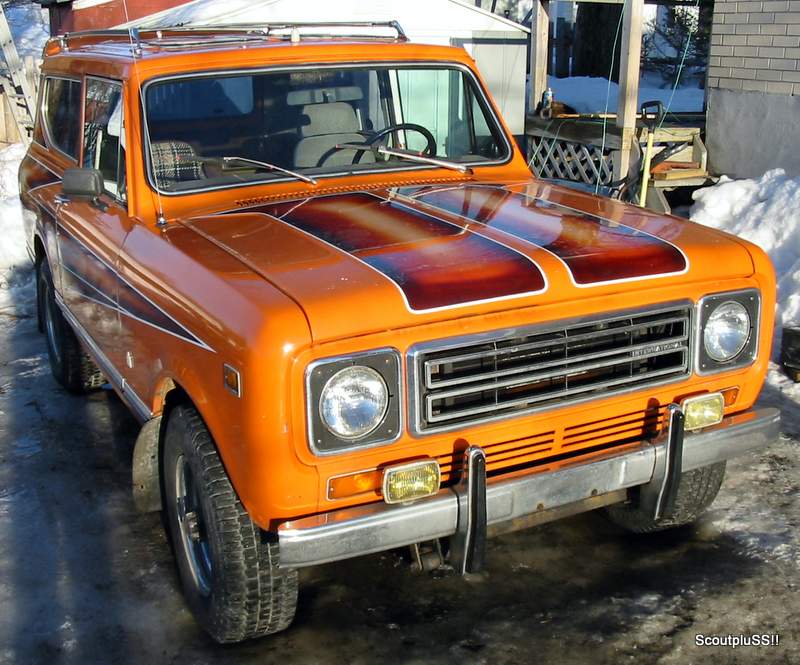 Will Johnson's 1979 Scout II from Tempe, AZ. 3/4 ton D60 & D44 Axles, 42" Pitbull Rockers on H1 Double Beadlock Wheels, 5.13 Gears, 345 V8 (waiting for a Bored & Stroked 392!) TF727, Dana 20 T/case and has a Terra Top to keep the sun off!
 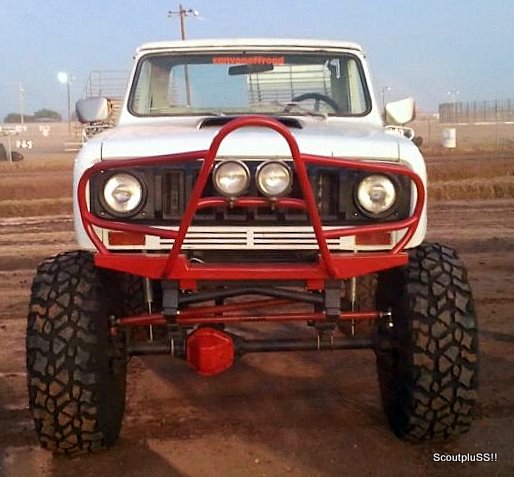 1979 Scout Traveler
 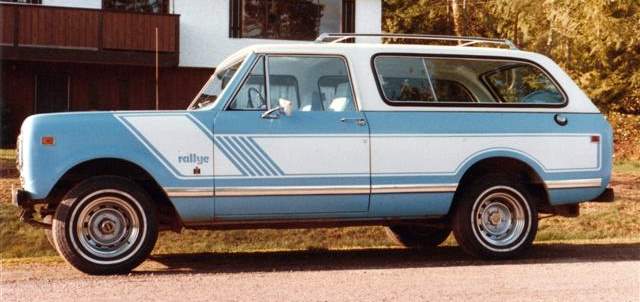 Alex Shegog's 1979 Australian 345 Traveler
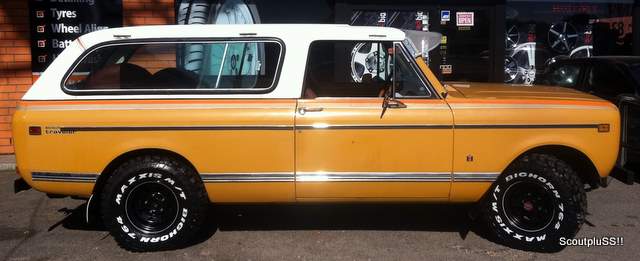 Brian Robert's Scouts
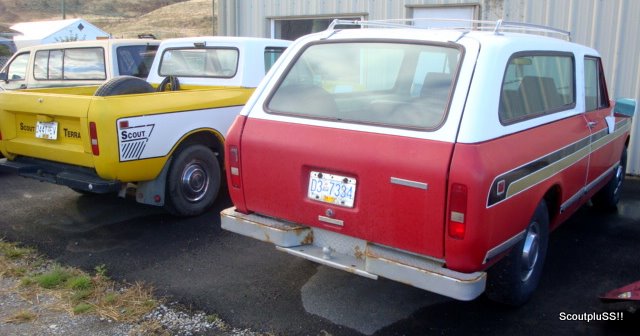 Mike Dodd's Bio-Diesel Traveler
 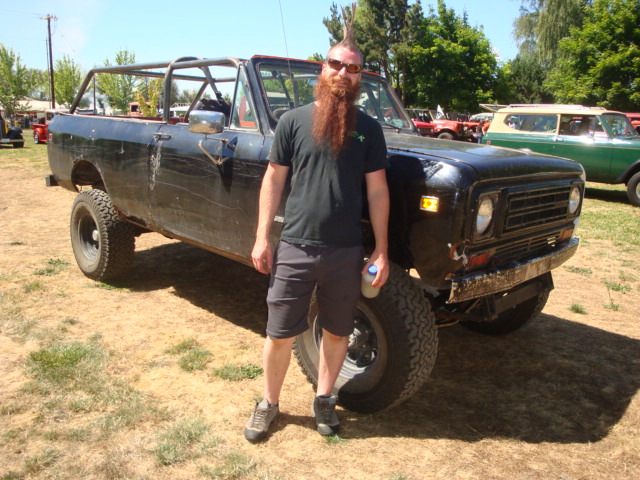 Dylan MacDonnell's 1978 SSII Clone
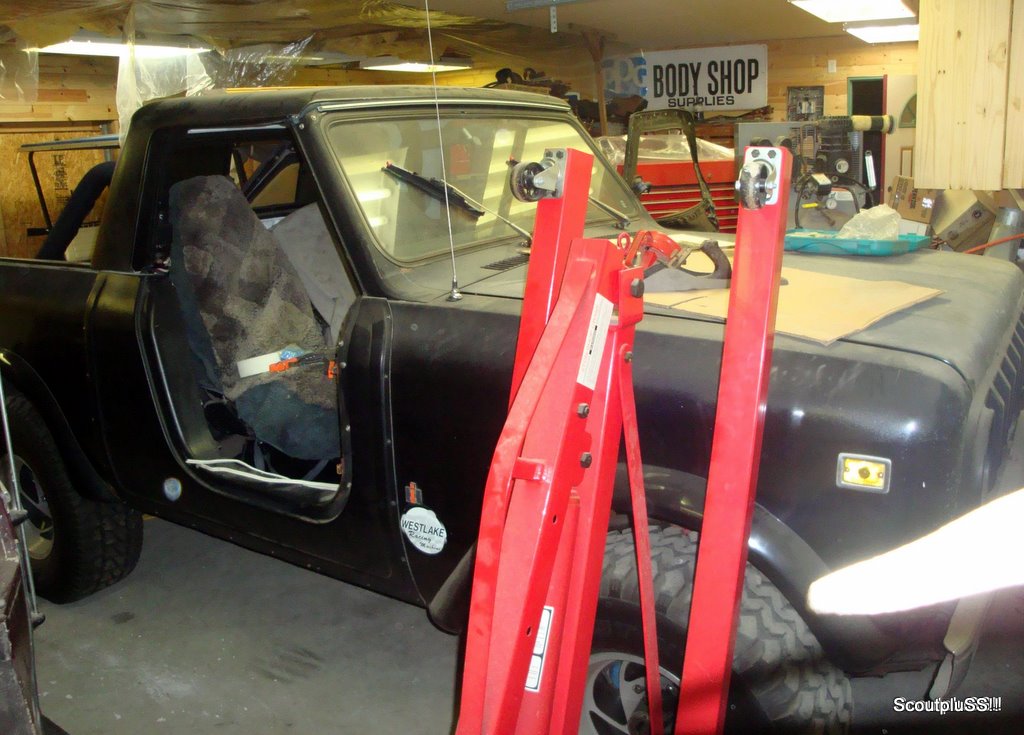 Jean Laliberte's 1979 Scout II, ORIGINAL OWNER, 345 Auto, 186,000 org. km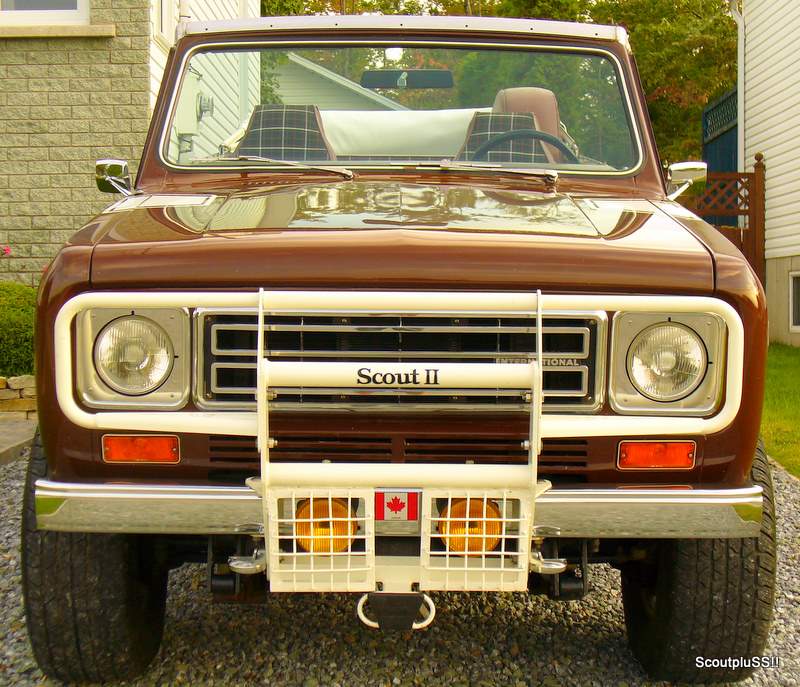
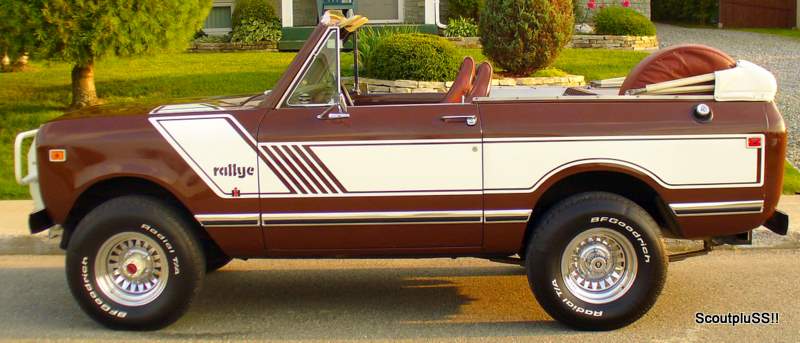
Ron Gerlinski's 1979 Midas Scout Traveler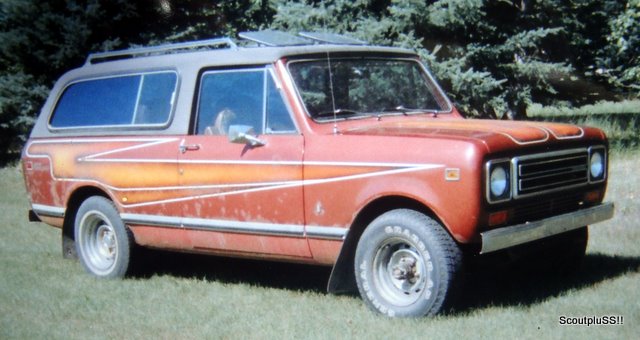 Bill Nix's 1979 Scout II
 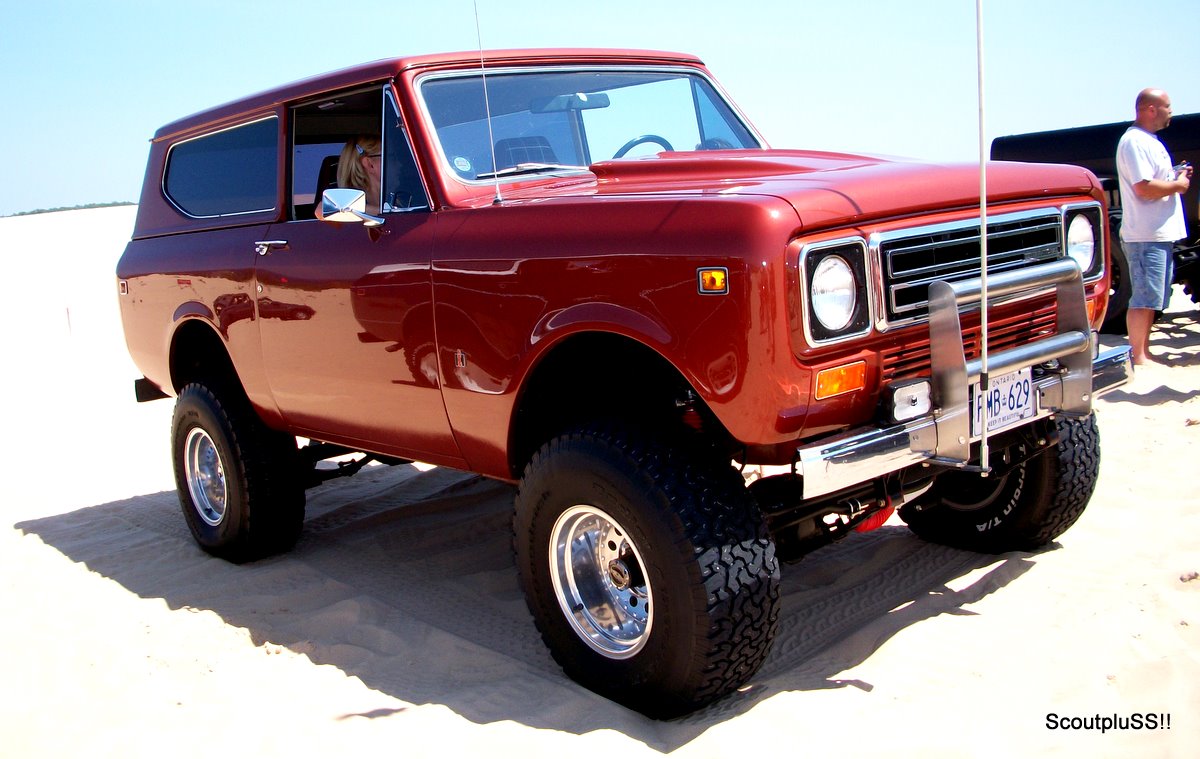 James Nix's 1979 Scout II
 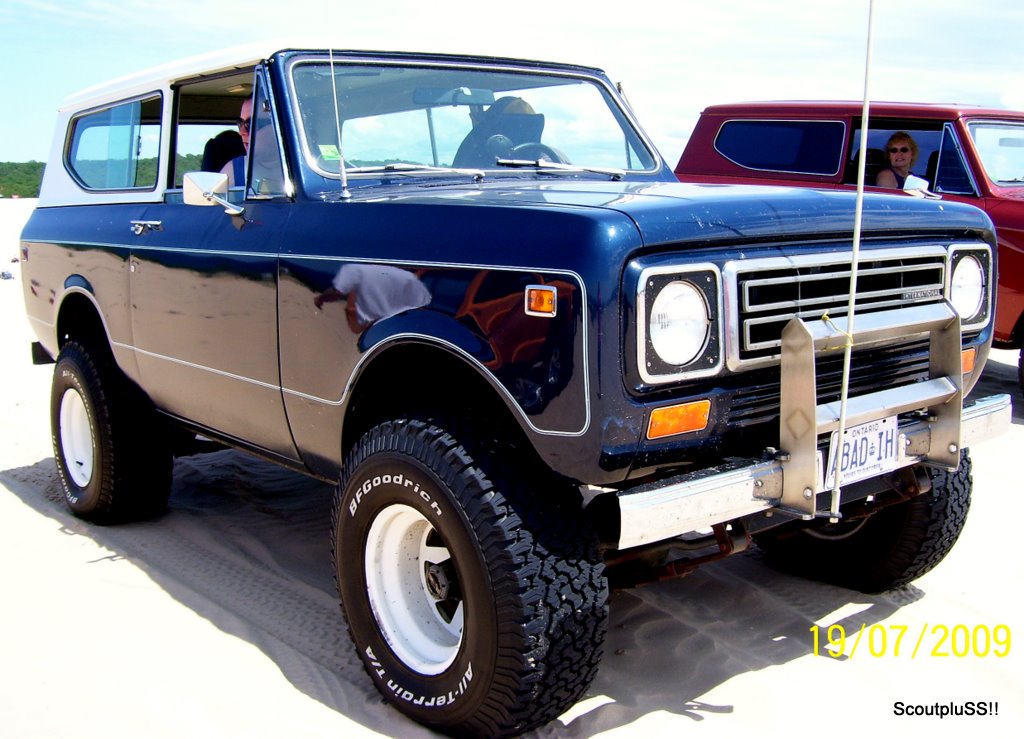 Max Tesla's 1980 Turbo Diesel Scout II (modified) from Italy
 Rod MacDonnell's 1980 Midas Scout II
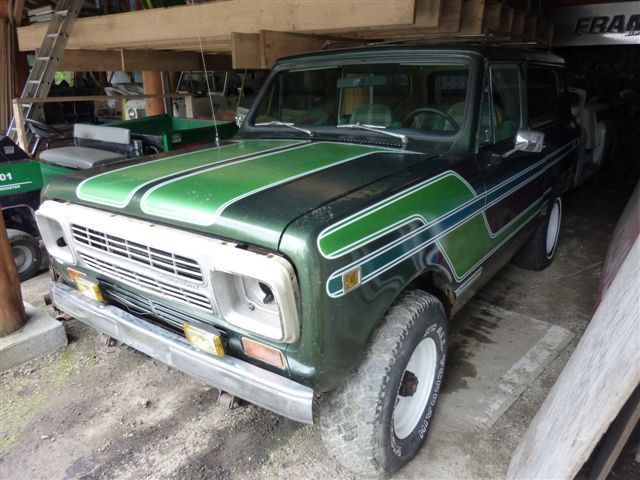 Rod MacDonnell's 1980 Scout II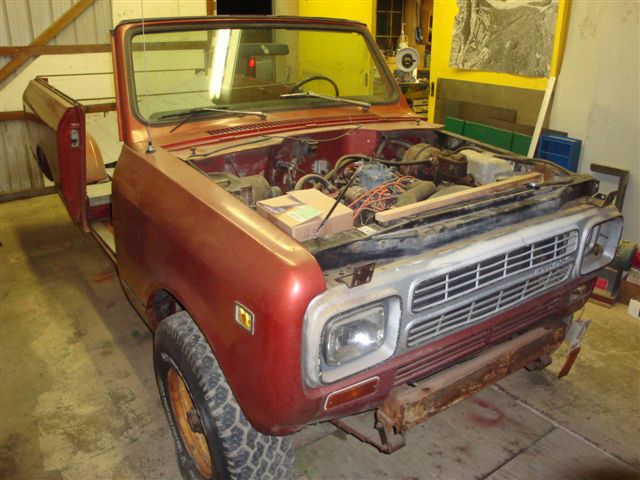
Dale Young's 1980 Scout II "All Original Survivor" 345 V8 with 38,000 miles, 727 Trans, Dana 300, Locomatic Hubs, 3:31 Gears, Cruise, Tilt & Cold A/C!